
Student journey mapping for universities: a practical template
A student journey map your team can copy. For each stage of See, Think, Do, Care: the student's question, who owns it, the moment, the format and what to measure.
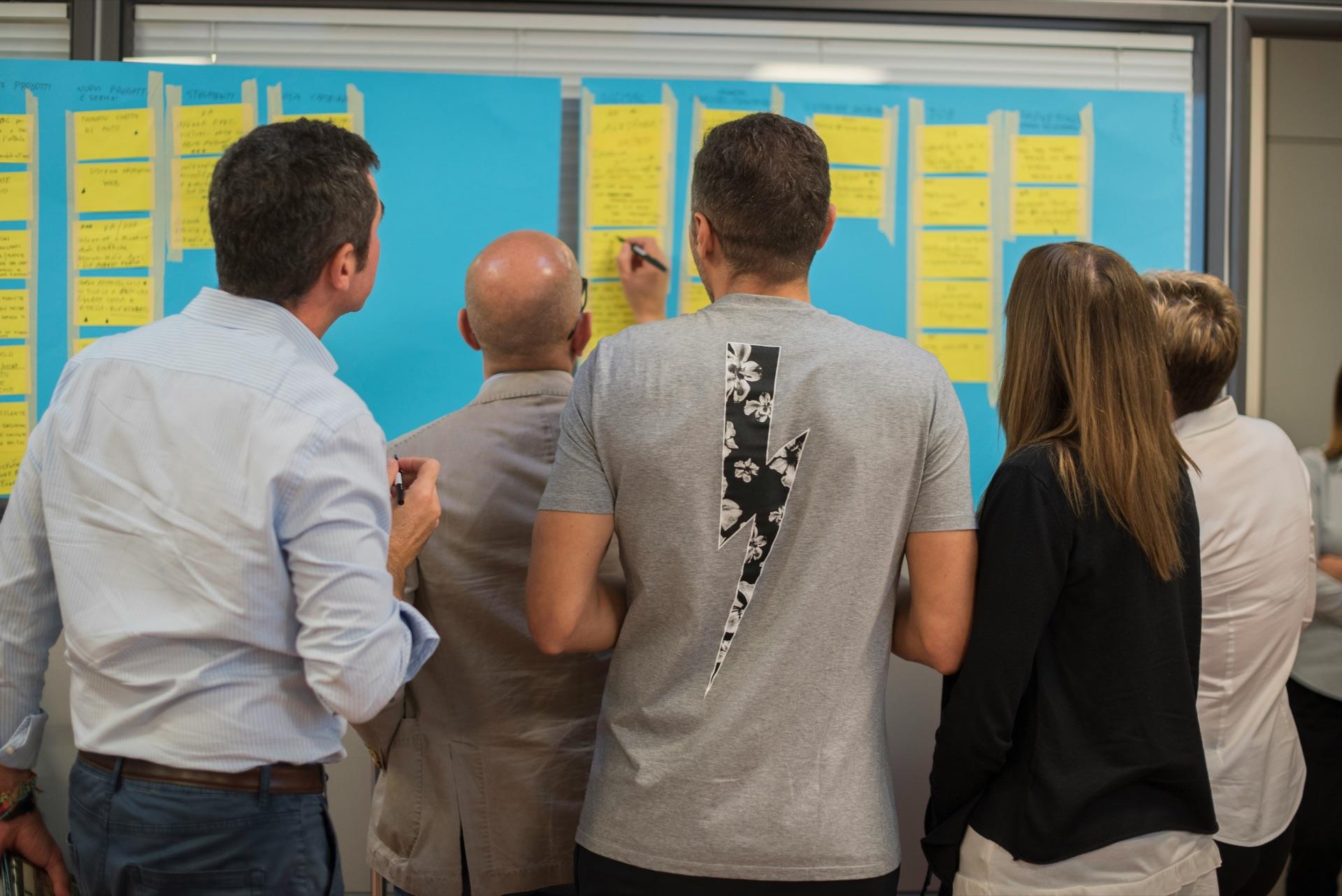
To map content to every stage of the student journey, write down five things for each stage: the question the student is asking, the team in your university that owns the answer, the moment they ask it, the content format that answers it and what you will measure. The See, Think, Do, Care framework gives you the stages.
See, Think, Do, Care is a marketing framework that sorts content by what a person needs at each stage. It was created by Avinash Kaushik, who first published it as See, Think, Do and later added Care. His article on the full framework groups people by intent: See has none yet, Think shows weak intent, Do shows strong intent and Care is loyal, existing customers.
In higher education, See is students who are not looking for a programme yet, Think is students comparing options, Do is applicants and offer holders ready to decide, and Care is enrolled students. Our student journey solutions page shows the map with the stories for each stage. Here is a template your team can copy.
What goes into a student journey map?
Each stage gets the same five fields:
- The student's question. What they want to know, in their words rather than yours.
- The owner. The team that answers it and signs off the content.
- The moment. When and where the question comes up.
- The format. The content that answers it, with one job per piece.
- The measure. One or two numbers that show it worked.
The last field matters most. As Kaushik argues, See and Think content should not be judged on immediate conversion.
What belongs in the See stage?
- The student's question. What is it like to study here, and is this place for me?
- The owner. Marketing and communications, with student recruitment.
- The moment. Campaigns, social media and a first visit to your website.
- The format. A virtual campus tour, or a short story about what makes you different.
- The measure. Engagement and click-through to the next step, not applications.
The University of Amsterdam (UvA) gave students a sneak peek of all its campuses, with stories plotted on a map of the city. 96% of viewers were engaged and 40% dived deeper via an in-story link. See UvA's virtual tour in action, or find more on the See stage page.
What belongs in the Think stage?
- The student's question. Which programme fits me, and what will it ask of me?
- The owner. Student recruitment and admissions, with marketing.
- The moment. Before students apply. In the Netherlands, students who apply for a bachelor's programme before 1 May can complete a study choice check, according to the Dutch government, which anchors this stage.
- The format. A programme matcher or quiz, and an interactive brochure for each programme.
- The measure. Completion, the chapters students open and click-through to the application or open day.
Eindhoven University of Technology (TU/e) replaced a static PDF with an interactive master's brochure showing the content, structure, career paths and what is genuinely expected, so the students who apply do so with confidence. See TU/e's interactive brochure in action, or read more on the Think stage page.
What belongs in the Do stage?
- The student's question. Can I really make this move, and what do I sort out first?
- The owner. Admissions and the international office.
- The moment. Between offer and arrival, when housing and visa questions fill the inbox.
- The format. Pre-arrival and pre-boarding stories, one practical subject per story.
- The measure. Interactions per session, click-through to each practical step and how many offer holders enrol.
Radboud University gives international students a realistic picture of a tight housing market and a step-by-step guide to finding a student room. The pre-boarding story has an average of 9 interactions per session and is part of a series of subject-based stories. See Radboud's pre-boarding story in action, or read more on the Do stage page.
What belongs in the Care stage?
- The student's question. What do I need to know before day one, and where do I find it?
- The owner. Student services and the international office.
- The moment. The days before the start and the first weeks.
- The format. A welcome story or onboarding hub that gathers the practical information in one place.
- The measure. Interactions per session, click-through to your app and services, and short surveys on settling in.
TU Delft built a simple "Welcome to TU Delft" guide that links straight to its app and other sources for the details. It has an average of 13 interactions per session, and 100% clicked through for more info. See TU Delft's welcome story in action, or read more on the Care stage page.
How do you start filling in the map?
- Get the owners in one room. Each team brings its stage. Invite your web team too.
- Start with one programme or one market. A full map for one programme teaches you more than a thin one for the whole university.
- Use what you already have. The map shows which PDFs, emails and pages need a better format.
- Agree the measures first. Decide what success looks like at each stage before anything goes live.
Where can you see the map with examples?
Our solutions page sets out See, Think, Do and Care side by side, with the stories and concepts for each stage. Start your own map there.
Luuk Koedam
See every stage of the journey together
Our solutions pages set out See, Think, Do and Care side by side, with the stories that fit each stage.