
Virtual campus tours: 360 video, maps or stories?
Three formats dominate virtual campus tours. Here is how 360 video, campus maps and story-format tours compare on the one thing that matters: whether prospective students take action afterwards.
A virtual campus tour is often the only look at your campus an international student gets before they apply. So the question that matters is not how the tour looks, but whether prospective students create a positive association with your campus, finish the tour or take action.
There are three common formats: 360 video and photography, interactive campus maps, and story-format tours. Here is how they compare, with numbers from two Dutch universities that chose stories.
What are the three formats of virtual campus tour?
360 video and photography. A panoramic view of lecture halls, libraries and outdoor spaces that students pan around with a mouse or by turning their phone. It is the format most people picture, and it shows a space accurately.
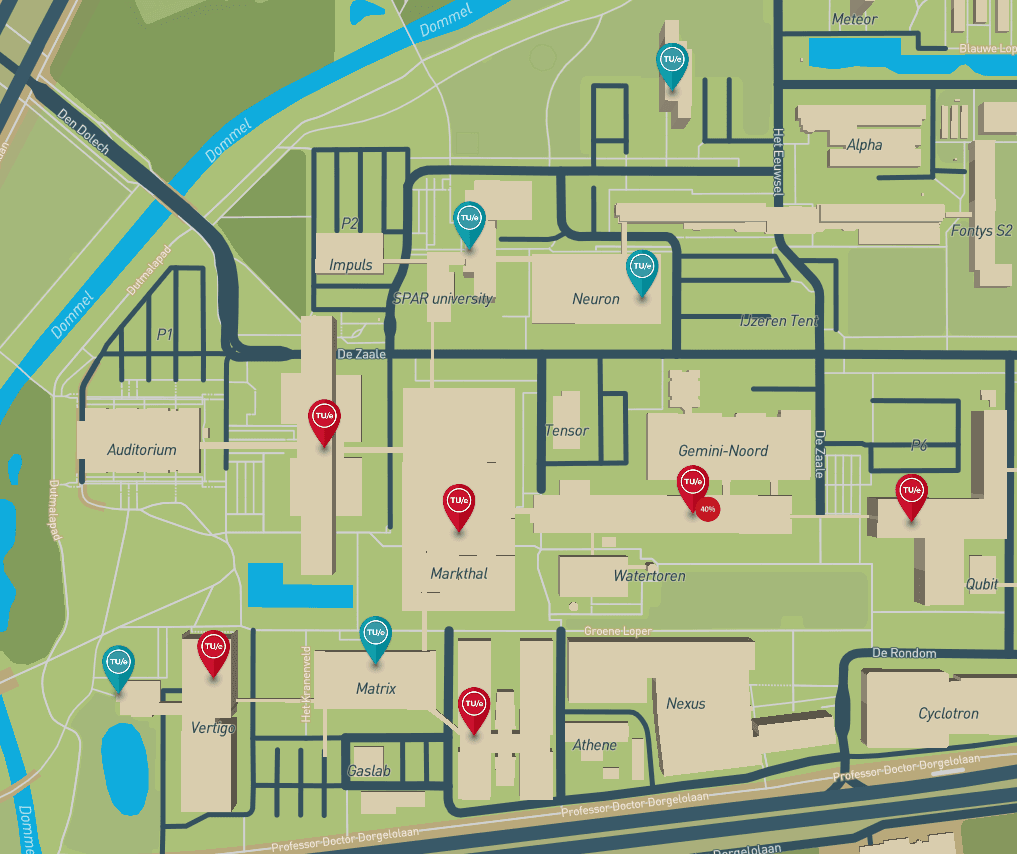
Interactive campus maps. A map of the campus or the city with clickable markers, each opening photos, video or text about a location. Students choose where to go and in what order.
Story-format tours. Short, vertical screens in the style of Instagram stories, presented by current students or a guide. Students tap through, make choices along the way and reach a clear next step, such as a programme page or an open day sign-up.
Which format do students actually finish?
Each format answers a different question. A 360 view shows what a room looks like, but not what it is like to study there, and it gives the viewer no reason to move on to the next room. A map gives students freedom, but no route: they open the two or three markers that catch their eye and leave. Neither format ends anywhere in particular.
Story-format tours borrow the format students already use every day. Each screen asks for one small action, the story keeps moving, and the last screen points somewhere useful. Two universities show what that does in practice:
- University of Amsterdam: stories about every campus, plotted on a map of the city, each linking to the programmes and orientation events on that campus. 96% of viewers engaged with the tour, and 40% followed an in-story link to find out more.
- NHL Stenden: a linear tour with one guide who walks students through campus in a set order, and explains the university’s approach to education on the way. It averages 12 interactions per session and holds a 4.9 rating from 1,992 reviews.
The two tours also show that the formats combine. UvA's tour is stories on a map; NHL Stenden's is a story with no map at all. What they share is a narrative that keeps students moving, and an ending that leads to a next step.
Do you need 360 photography for a virtual campus tour?
No. A 360 shoot is the most expensive part of a traditional virtual tour, and it dates the moment a building is refurbished or a programme moves. A story-format tour is built from the photos, short videos and student quotes you already have, or that your students can film on a phone. That makes it cheaper to start and easy to keep current.
360 still has a place when the facility is the selling point, such as a lab, a studio or a sports centre. Use it as one step inside the story rather than as the whole tour.
How do you choose the right format for your university?
Start from the student you are trying to reach, not the technology:
- Students who barely know you yet: a guided, linear story, like NHL Stenden’s. It tells them where to look and why it matters.
- Students comparing campuses or cities: stories on a map, like UvA’s, so they can jump straight to what they care about.
- Facility-led decisions: 360 views of the spaces that matter, embedded as steps inside the story.
- Every format: end with a next step, such as a programme page, open day registration or a way to ask a question.
The same tour can then go everywhere your students are: your website, open day pages, emails, social media, paid ads and QR codes at fairs. ICEF Monitor's guide to virtual open houses for international students makes the same point about meeting students on the channels they already use.
How do you measure whether a virtual tour works?
Page views tell you who arrived, not who finished. Track instead:
- How far students get, and where they drop off.
- Interactions per session.
- Click-through to programmes, open days and applications.
- Details shared inside the tour, so admissions can follow up.
- How students rate the experience.
If a tour cannot report these, you cannot tell whether it is helping recruitment or just sitting on your website.
See it for your campus
If you want to see how a story-format tour could work for your university, read about our interactive virtual campus tour concept, including what it takes to build one with your own photos, videos and students.
Luuk Koedam
Give students a campus tour they finish
A story-format tour your students finish, built from the photos and videos you already have. No 360 shoot needed.